
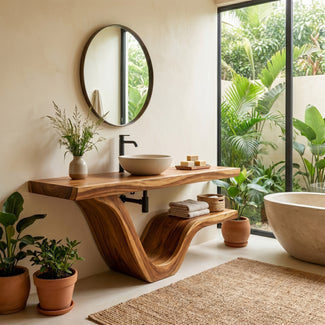

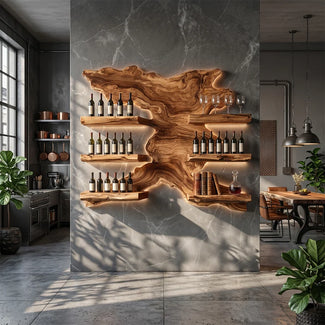
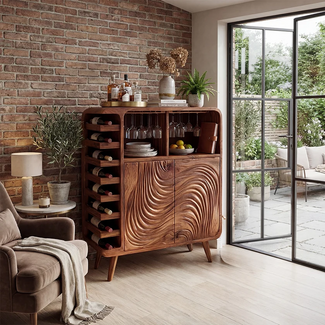


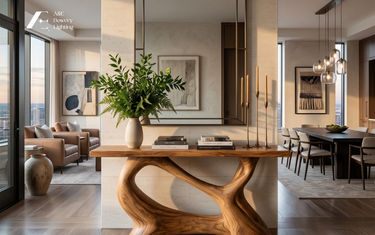
Console Table Styling Ideas can transform a narrow surface into one of the most memorable features in your home. Whether positioned in an entryway, behind a sofa, along a hallway, or against an empty living-room wall, a console table provides an opportunity to combine practical storage with personal style.
Because console tables are typically long and relatively shallow, they require a thoughtful decorating approach. Too many small accessories can make the surface look cluttered, while too few items may leave it feeling unfinished. The most successful arrangements combine objects of different heights, shapes, and textures while preserving enough open space for the table’s material and craftsmanship to remain visible.
Lighting, wall decor, books, plants, trays, and sculptural objects can all contribute to a balanced display. By considering scale, symmetry, color, and the surrounding room, homeowners can create a console arrangement that feels intentional, functional, and connected to the rest of the interior.
1. Begin With Scale, Balance, and a Clear Focal Point
Choose One Strong Visual Anchor
Every console table arrangement benefits from a clear focal point. This may be a large mirror, framed artwork, sculptural wall piece, or statement lamp positioned above or on the table.

Buy Now: Organic Sculptural Console Table With Open Shelf Base
The anchor should relate to the width of the console. Wall decor that is dramatically narrower than the furniture may appear disconnected, while artwork that extends beyond the table’s edges can overwhelm the arrangement. A piece measuring approximately one-half to three-quarters of the table’s width often creates a comfortable visual relationship.
When using a mirror, consider what it reflects. A mirror facing a window can increase natural light, while one reflecting a crowded storage area may make the room feel busier. Artwork gives you greater control over color and atmosphere, making it a useful choice when you want to reinforce the room’s palette.
Essential Styling Proportions
- Select wall decor that relates to the console’s width.
- Keep the tallest tabletop object below the center of the artwork.
- Use one large object instead of several undersized accessories.
- Leave open space between major decorative groupings.
- Balance visual weight rather than matching objects exactly.
- Keep frequently used items within comfortable reach.
- Step back regularly to view the arrangement from a distance.
These guidelines provide structure without requiring perfect symmetry. A display can feel balanced even when the objects on each side are different.
Decide Between Symmetry and Asymmetry
Symmetrical arrangements feel polished, calm, and traditional. Matching lamps placed at each end of the table can frame a centered mirror, artwork, or floral arrangement. This style works especially well in formal entryways, dining rooms, and rooms with balanced architectural details.
Asymmetrical styling feels more relaxed and contemporary. One tall lamp may be balanced by a group of lower objects on the opposite side, such as stacked books, a ceramic bowl, and a small plant. The objects do not need equal height, but they should carry similar visual weight.
Choose the approach that best suits the surrounding room. Traditional interiors may benefit from stronger symmetry, while organic-modern, eclectic, and transitional spaces often look more natural with a loosely balanced composition.
2. Add Layers With Lighting, Books, and Decorative Objects
Use Lighting to Create Height and Atmosphere
A table lamp adds both practical illumination and vertical structure. In an entryway, it creates a welcoming glow during the evening. Behind a sofa, it can support reading and make the seating area feel warmer.
The lamp should be appropriately scaled to the console. A very small lamp may disappear on a long table, while an oversized shade can dominate a narrow surface. If using two lamps, confirm that enough space remains between them for artwork or decorative objects.
The lamp’s finish can connect the console with other materials in the room. Brass may coordinate with cabinet hardware, black metal can relate to window frames, and a ceramic base may echo nearby pottery or neutral textiles.

Buy Now: Wave Sculptural Console Table with Continuous Curved Base
Create Structure With Books and Trays
Books introduce color, personality, and useful changes in height. Stack two or three books beneath a smaller object to create a layered display. Subjects such as architecture, travel, art, photography, or gardening can reveal personal interests while contributing decorative value.
Trays help organize smaller items that might otherwise look scattered. In an entryway, a tray can hold keys, sunglasses, and mail. In a living room, it may contain candles, coasters, or a decorative box.
Choose a tray that contrasts gently with the table. A metal tray adds refinement to natural wood, while a woven or wooden tray can soften a painted or stone-topped console.
Decorative Pieces to Mix and Match
- A sculptural ceramic or wooden object
- A small stack of design or travel books
- A decorative bowl for keys and daily essentials
- A vase filled with seasonal greenery
- A framed photograph with personal meaning
- A candle in a simple, stable vessel
- A lidded box for hidden storage
Homeowners learning How to Decorate a Console Table should select fewer objects with stronger shapes rather than filling the surface with many small accessories. Each piece should contribute function, color, texture, or personal significance.
3. Adapt the Console Table to Different Rooms
Placement and Function Checklist
- In an entryway, provide storage for keys and mail.
- Behind a sofa, keep lamps and decor below major sightlines.
- In a hallway, preserve enough width for comfortable walking.
- In a dining room, use the table as a serving or display surface.
- In a bedroom, position it as a compact vanity or writing desk.
- Beneath stairs, choose decor that follows the surrounding architecture.
- Near a doorway, confirm that doors can open completely.
Thoughtful Console Table Placement Ideas should account for both appearance and everyday movement. The table should add function without narrowing important pathways.

Create a Welcoming Entryway
An entryway console introduces the style of the home before guests reach the main living spaces. Combine practical storage with a few decorative elements to make the area feel organized and inviting.
A mirror is useful for last-minute checks before leaving the house, while a bowl or tray keeps keys and small belongings contained. Add one lamp or vase for height, then include a small decorative object or book stack for personality.
Avoid allowing mail, bags, and unrelated items to accumulate. Drawers, baskets, or decorative boxes can conceal everyday clutter while keeping necessary objects accessible.
Style a Console Behind the Sofa
A console table placed behind a floating sofa can visually finish the seating arrangement, especially in an open-concept home. It can also create a subtle boundary between the living area and the dining room, kitchen, or hallway.
Keep the table approximately level with or slightly below the sofa back. Lamps should be tall enough to provide useful light but not so large that they block the view across the room.

Books, bowls, and low sculptural objects work well in this location. If people frequently walk behind the sofa, make sure cords are secured and the console does not create an overly narrow passage.
4. Why Choose A&E Bowery Lighting for a Console Table?
Console Tables With Distinctive Character
A&E Bowery Lighting offers furniture designed to bring handcrafted style and visual character into the home. A console table should not merely provide an empty surface; its shape, finish, and construction can contribute to the identity of the entire room.
Distinctive wood grain, sculptural bases, organic edges, and carefully considered proportions can make the table visually appealing even before accessories are added. This allows homeowners to decorate more selectively and preserve the furniture’s natural details.
A strong console design can work as a focal point in an entryway, living room, hallway, dining area, or bedroom. Its presence reduces the need for excessive decoration and helps the room feel more intentional.
Benefits of Choosing A&E Bowery Lighting
- Handcrafted designs add individual character.
- Natural materials create warmth and visual depth.
- Sculptural forms make the furniture a focal point.
- Distinctive surfaces require fewer decorative accessories.
- Versatile proportions suit multiple rooms and functions.
- Organic details complement modern and traditional interiors.
- Furniture and lighting can create a cohesive atmosphere.
Starting with a well-designed table makes styling easier. Instead of relying on accessories to give an ordinary piece personality, homeowners can choose furniture that already brings artistry and material interest into the space.
Coordinate Furniture and Lighting
Lighting plays an important role in how a console table is experienced. A nearby lamp can highlight natural grain, carved details, and the shadows created by sculptural forms. Warm illumination also makes entryways and living areas feel more welcoming.
Choosing furniture and lighting from a brand with a consistent design perspective can help create a more cohesive interior. Similar materials, proportions, and finishes allow the table, lamps, and surrounding furniture to feel connected without matching too precisely.
A&E Bowery Lighting is a strong option for homeowners who want handcrafted furniture with the visual presence to support both practical use and thoughtful styling.
