
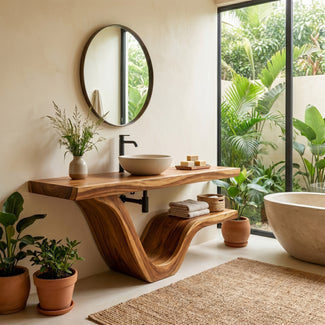

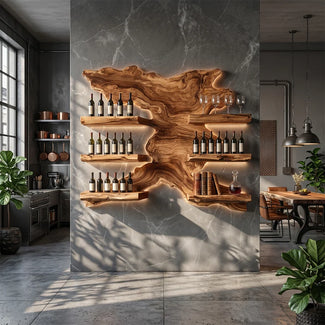


Console Table Placement Ideas can help transform overlooked walls, narrow passageways, and empty areas into functional, visually balanced features. With its slim profile and versatile design, a console table can add storage and display space without taking up as much room as a cabinet, desk, or sideboard.
The best placement depends on the table’s dimensions, the surrounding furniture, and how the room is used. In an entryway, a console provides a convenient place for keys and mail. Behind a sofa, it can visually define the seating area and support lamps or decorative objects. Along a hallway wall, it introduces character without blocking circulation.
A console table should feel connected to the room rather than added simply to fill empty space. Proper clearance, proportion, lighting, and styling all influence whether the arrangement feels natural. By evaluating the room’s layout before choosing a location, American homeowners can create a display that improves everyday function while making the interior feel more intentional.
1. Place a Console Table in the Entryway
Create a Practical Arrival Zone
The entryway is one of the most useful places for a console table because it creates a convenient transition between the outdoors and the rest of the home. A shallow table can provide a landing spot for keys, wallets, sunglasses, and mail without narrowing the walkway.
Position the table against the first available wall near the door, but make sure it does not interfere with the door swing. Guests should be able to enter, remove coats, and move into the home comfortably.

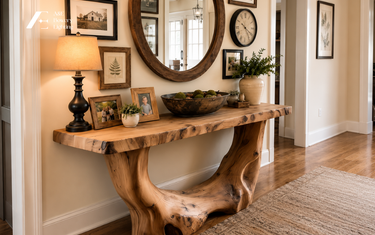
Buy Now: Natural Wood Console Table With Organic Open Base
A decorative bowl or tray can organize small essentials, while a lamp adds warm evening illumination. If storage is needed, place baskets beneath the table for shoes, scarves, or pet accessories. The arrangement should remain edited so the entrance feels welcoming rather than cluttered.
Match the Table to the Wall
A console table should occupy enough of the wall to feel substantial, but it should not extend into trim, doorways, or nearby furniture. On a narrow wall, choose a compact table with a simple base. A longer wall can support a wider design, especially when paired with artwork or a mirror.
The height should also relate to surrounding elements. A mirror placed above the table can make the entry feel larger and give family members a convenient place to check their appearance before leaving.
Leave approximately six to ten inches between the tabletop and the bottom of the mirror or artwork. This creates a visual relationship between the pieces without making the arrangement feel compressed.
Entryway Placement Checklist
- Confirm that the front door can open completely.
- Preserve a comfortable path through the entrance.
- Select a shallow table for a narrow hallway.
- Keep electrical outlets accessible for a lamp.
- Use a tray or bowl to organize daily essentials.
- Place baskets underneath for concealed storage.
- Avoid sharp corners in especially tight spaces.
A well-positioned entryway console can make the home feel more organized from the moment someone walks through the door.
2. Use a Console Table to Support Living-Room Layouts
Position It Behind a Floating Sofa
In an open-concept home, a sofa may sit away from the wall to divide the living area from the kitchen or dining room. A console table placed behind the sofa can make the furniture arrangement feel more complete.
Choose a console that is approximately the same height as the sofa back or slightly lower. A table that rises significantly above the upholstery may interrupt sightlines and make the arrangement appear top-heavy.

The console should also be slightly shorter than the sofa. This allows the sofa to remain the dominant piece while reducing the risk of people walking into exposed table corners.
Lamps, books, bowls, or small sculptures can be added to the surface. However, avoid overcrowding the table, especially if it is visible from both the living area and the space behind it.
Fill an Empty Living-Room Wall
A console can also occupy a blank wall that is too narrow for a large storage cabinet but substantial enough to need visual attention. This placement works particularly well beside a fireplace, near an accent chair, or opposite the main seating arrangement.
The table can provide a foundation for art, a mirror, or sculptural wall decor. A tall lamp or plant may balance one side, while stacked books and a decorative object can add height on the other.
When exploring Console Table Styling Ideas, consider the room’s existing materials and colors. A wood console may connect with the coffee table or flooring, while a metal base can relate to lighting fixtures, frames, or furniture hardware.
Living-Room Placement Options
- Behind a sofa floating within an open floor plan
- Against a wall beside the main seating area
- Between two windows with artwork above
- Next to a fireplace as a visual counterbalance
- Beneath a wall-mounted television in a secondary area
- Between matching accent chairs
- Along the back wall of a reading corner
The table should strengthen the furniture layout without narrowing walking paths. Leave at least 30 inches in frequently used passages whenever possible.
3. Add Function to Hallways, Dining Rooms, and Bedrooms
Improve a Hallway Without Blocking Movement
Long hallways often feel empty, but they may not have enough depth for standard furniture. A narrow console table can break up the wall and create a more welcoming transition between rooms.
Measure carefully before placing the table. People should be able to walk through the hallway without turning sideways or brushing against the furniture. A depth of approximately 10 to 14 inches may work well in tighter passages, depending on the overall hallway width.

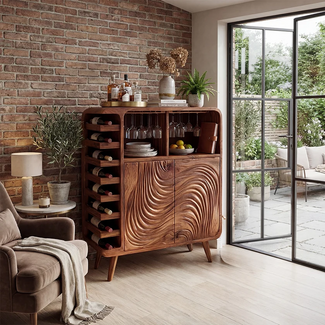
Buy Now: Natural Wood Console Table With Wine Storage
Use the surface for a small lamp, framed photograph, or sculptural object. Avoid fragile pieces near the edge, particularly in busy family homes. A series of artworks above the table can add rhythm and make the hallway feel more intentional.
Use a Console as a Dining-Room Serving Surface
In a dining room, a console can function as a compact alternative to a full-size buffet. It can hold beverages, serving dishes, linens, candles, or decorative objects during meals and gatherings.
Position the table against a wall where it will not interfere with dining chairs. There should be enough space for guests to pull out their chairs and walk behind them without bumping into the console.
A table with a lower shelf can provide additional storage for baskets, serving trays, or extra dishes. During everyday use, the surface can display a vase, bowl, or lamp. When entertaining, most decorative items can be temporarily removed to create practical serving space.
Placement Ideas for Secondary Rooms
- Use a console as a compact bedroom vanity.
- Position it beneath a television in a guest room.
- Place it along a dining-room wall for serving.
- Add one beneath artwork in a wide hallway.
- Use it behind a bed as an unconventional headboard shelf.
- Place it near a home-office entrance for storage.
- Position it beneath a window if the height allows.
Knowing How to Decorate a Console Table is especially helpful in multifunctional rooms. Start with one focal element, such as a mirror, artwork, or lamp, then add only a few smaller objects to create balance while preserving usable surface space.

4. Why Choose A&E Bowery Lighting for Console Tables?
Furniture That Combines Character and Function
A&E Bowery Lighting offers handcrafted-style furniture designed to bring character into everyday interiors. A console table from the brand can serve a practical role while contributing texture, material warmth, and a distinctive design presence.
Rather than functioning as an anonymous surface, a well-designed console can become an important visual feature. Natural materials, sculptural bases, and thoughtful proportions help the piece stand out without overwhelming the surrounding room.
This makes the furniture suitable for entryways, living rooms, bedrooms, dining areas, and other spaces where both function and appearance matter.
Designs That Work With Layered Lighting
Console tables and lighting naturally work together. A table lamp placed on a console can create a warm pool of light in an entryway, hallway, or living room. Wall sconces or picture lights above the table can also emphasize artwork and decorative objects.
A&E Bowery Lighting understands how furniture and illumination contribute to the same composition. Selecting pieces with complementary proportions, finishes, and visual weight can make the room feel more cohesive.
For example, a sculptural lamp may balance a simple console, while a more expressive wooden table might need only a restrained light fixture. The goal is not to make every item match, but to create a thoughtful relationship between furniture, light, and surrounding architecture.
Benefits of Choosing A&E Bowery Lighting
- Distinctive console designs add visual character.
- Slim profiles support entryways and narrow spaces.
- Natural materials bring warmth into modern interiors.
- Handcrafted details create an elevated appearance.
- Versatile forms work in living and dining areas.
- Console tables coordinate naturally with layered lighting.
- Statement furniture reduces the need for excessive decor.
Choosing A&E Bowery Lighting allows homeowners to select a console table that feels intentional rather than purely functional. The right piece can improve organization, anchor wall decor, and strengthen the identity of the room.
