



Wine Rack Placement Ideas can help homeowners create an organized, attractive storage area while protecting bottles and improving the flow of a kitchen, dining room, or entertaining space. A wine rack may be compact, but its location affects accessibility, temperature stability, visual balance, and the overall atmosphere of the room.
The best placement keeps bottles away from excessive heat, direct sunlight, and frequent vibration while making the collection convenient to access. A rack can be incorporated into kitchen cabinetry, positioned on a dining-room sideboard, installed beneath a staircase, or arranged as part of a larger home bar. The right choice depends on the number of bottles, available space, and how often the household entertains.
Homeowners should also consider whether the wine rack will serve primarily as storage, decoration, or both. A small tabletop rack may highlight a few favorite bottles, while a larger wall-mounted or freestanding design can become a defining architectural feature. With thoughtful planning, wine storage can feel integrated into the home rather than added as an afterthought.
1. Choose a Location That Protects the Wine
Keep Bottles Away From Heat Sources

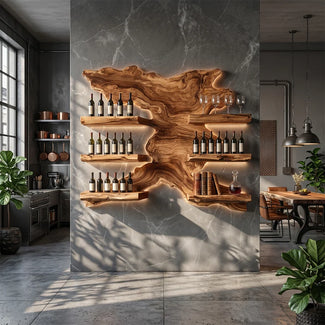
Buy Now: Sculptural Solid Wood Wall-Mounted Wine And Whiskey Display Shelf
Heat is one of the most important factors to consider when positioning a wine rack. Avoid placing bottles beside ovens, cooktops, radiators, fireplaces, heating vents, or appliances that release significant warmth.
Kitchens are convenient for wine storage, but not every kitchen location is appropriate. A rack installed directly above the refrigerator may experience heat from the appliance, while a cabinet beside the oven may become warmer during cooking. A cooler section of cabinetry, pantry, or adjacent dining area is often a better choice.
Temperature fluctuations can also matter. A location that becomes hot during the day and cool at night may be less suitable than an interior wall with relatively stable conditions. For valuable or long-term collections, a temperature-controlled wine refrigerator or dedicated cellar remains the safest option.
Avoid Strong Sunlight and Vibration
Direct sunlight can warm bottles and expose wine to ultraviolet light. Avoid positioning a rack in front of an uncovered window or beneath a skylight where bottles receive hours of strong sun.
If window placement is unavoidable, use shades, curtains, or UV-filtering treatments to reduce exposure. Darker bottles provide some protection, but they should not be relied upon as the only safeguard.
Vibration is another consideration. Do not install wine storage against a wall shared with frequently running mechanical equipment when an alternative location is available. Racks should also remain stable when doors, drawers, and nearby appliances are used.
Placement Conditions to Avoid
- Directly beside an oven or cooktop
- Above a refrigerator that releases heat
- In strong, unfiltered sunlight
- Beside a radiator or heating vent
- Against frequently vibrating appliances
- In an area exposed to major temperature changes
- Along a narrow route where bottles may be bumped
Protective placement does not mean wine must be hidden. A visually prominent location can still work when the environmental conditions remain appropriate and the rack is securely installed.
2. Integrate Wine Storage Into Different Rooms
Add a Wine Rack to the Kitchen
The kitchen is one of the most practical places for wine storage because bottles remain close to food preparation, glassware, and entertaining areas. A built-in rack can occupy the end of an island, a section of lower cabinetry, or an unused opening beside a pantry.

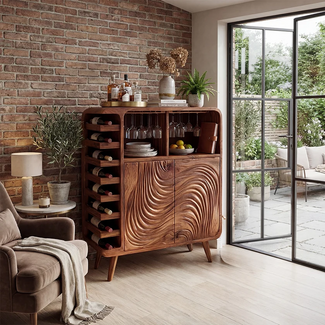
Buy Now: Sculptural Solid Wood Wine Rack for Modern Kitchen Display
Horizontal cubbies can create a clean, integrated appearance. They also use narrow spaces that may not accommodate a standard cabinet. In a compact kitchen, a countertop rack can store a few frequently used bottles without requiring renovation.
Keep the rack clear of wet areas and busy preparation zones. Bottles should not interfere with cabinet doors, seating overhangs, or major walking paths. If the kitchen receives strong natural light, choose an interior wall or enclosed cabinet location.
Placement Options Throughout the Home
- Inside a dining-room sideboard
- Beneath a staircase with unused space
- Along a wall in a finished basement
- Inside a pantry away from heat
- Beneath a kitchen island overhang
- On a console near the dining area
- Within a dedicated home-bar cabinet
These locations allow homeowners to choose between hidden storage and decorative display. The best position should support both accessibility and the room’s primary function.
Create a Dining-Room Wine Station
A dining room can support a more decorative wine display because it is naturally connected to meals and entertaining. Position a rack on or near a sideboard, then store glassware, corkscrews, napkins, and serving accessories nearby.
A wall-mounted rack can save floor space and create visual height. A freestanding design may provide greater capacity while functioning like a piece of furniture. In both cases, make sure the rack does not crowd dining chairs or narrow the route between the table and kitchen.
Thoughtful Wine Rack Styling Ideas may include a tray for openers, a small decanter, coordinated glassware, and one understated decorative object. Keep the arrangement restrained so the bottles remain easy to access.
3. Balance Wine Storage With Style and Function
Match the Rack to the Room’s Scale
The rack should feel proportional to the wall, cabinet, or furniture supporting it. A tiny tabletop holder may look insignificant on a wide sideboard, while a tall freestanding rack can overwhelm a compact dining corner.

Measure the intended location carefully, including the available height, width, and depth. Confirm that doors, drawers, and chairs can still move freely. Wall-mounted racks should be secured to appropriate framing or anchors, particularly when holding multiple heavy bottles.
The visual weight of the design also matters. Open metal racks appear lighter, while substantial wooden units create a stronger furniture-like presence. Choose a style that balances the room instead of making one side feel crowded.
Organize a Complete Bar Shelf
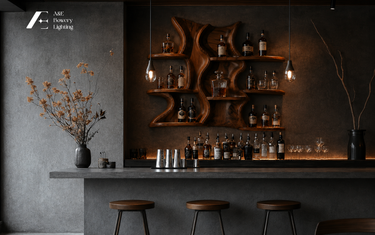
A wine rack can be combined with open shelving to create a compact home bar. Position frequently used glasses within easy reach and reserve higher shelves for decorative bottles or accessories used less often.
Use trays to organize small tools such as corkscrews, bottle stoppers, and cocktail picks. Closed cabinets or drawers can conceal backup supplies and prevent the display from becoming cluttered.
Effective Bar Shelf Styling Ideas should maintain enough open space around the bottles and glassware. Repeating finishes from nearby lighting, hardware, or furniture can help the bar area feel connected to the rest of the room.
Styling and Safety Checklist
- Store bottles securely so they cannot roll.
- Keep glassware away from shelf edges.
- Limit tabletop decor near frequently handled bottles.
- Repeat materials already used in the room.
- Use warm lighting without exposing bottles to heat.
- Keep openers and tools in one accessible tray.
- Anchor tall racks to the wall when necessary.

Wine storage should remain practical. Decorative choices should never make bottles difficult to remove or increase the risk of glassware falling.
4. Why Choose A&E Bowery Lighting for Wine Racks and Bar Shelves?
Coordinated Furniture and Lighting Create a Finished Look
A successful home bar depends on more than storage. Lighting, furniture, and accessories must work together to establish a welcoming atmosphere.
A&E Bowery Lighting offers design-focused pieces that can help homeowners coordinate wine racks, bar shelving, and illumination. A rack with strong proportions can define the storage area, while nearby sconces, pendants, or table lamps provide warmth and highlight the display.
Choosing furniture and lighting with compatible materials simplifies the design process. Black metal shelving may coordinate with dark fixtures, while warm wood furniture can be enhanced by brass, glass, or softly diffused lighting.
Lighting Improves Atmosphere and Visibility
Home bars benefit from layered light. General ceiling illumination supports practical use, while focused accent lighting adds depth and makes glassware, bottles, and decorative materials more visible.
Wall sconces can frame a wine cabinet without occupying counter space. Pendant lights may work above a larger bar counter, and a small lamp can make a dining-room beverage station feel more intimate.
Fixtures should provide useful light without directing excessive heat toward the bottles. LED bulbs are often practical because they generate less heat than many traditional options. The goal is to illuminate the storage area while maintaining suitable conditions for the wine.
Benefits of Choosing A&E Bowery Lighting
- Coordinated racks and lighting create visual cohesion.
- Multiple designs suit traditional and modern interiors.
- Layered illumination improves home-bar functionality.
- Statement furniture creates a clear entertaining zone.
- Warm lighting enhances wood, metal, and glass finishes.
- Practical storage helps keep accessories organized.
- Distinctive designs reduce the need for excessive decor.
Choosing A&E Bowery Lighting allows homeowners to approach wine storage as a complete design feature. Instead of combining unrelated furniture and fixtures, they can build a bar area that feels functional, balanced, and intentionally planned.
