




Bookshelf Placement Ideas can help homeowners transform empty walls, awkward corners, and underused spaces into functional storage areas with strong visual character. A bookshelf does more than organize reading material. When positioned thoughtfully, it can define a reading nook, balance large furniture, separate zones in an open floor plan, or become an architectural focal point.
The right location depends on the room’s dimensions, traffic patterns, natural light, furniture layout, and storage needs. A tall bookcase may make excellent use of vertical space in a compact apartment, while a low bookshelf can fit beneath a window or provide a display surface behind a sofa. In larger homes, matching shelves can frame a fireplace, television, doorway, or statement artwork.
Before choosing a position, measure the available wall and floor space carefully. Consider doors, windows, vents, outlets, and nearby furniture. The bookshelf should support the room’s function without narrowing walkways or blocking natural light. With good planning, it can become one of the most useful and visually memorable elements in the home.
1. Choose a Bookshelf Location Based on Room Function
Create a Living Room Focal Point
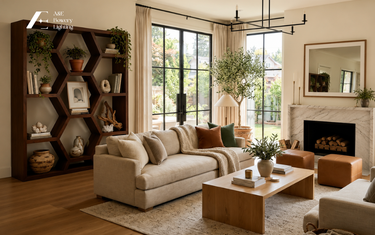
The living room is one of the most natural places for a bookshelf because it allows practical storage and decorative display to work together. A tall bookcase can fill an empty wall and draw attention upward, while a wider, lower unit may visually anchor artwork, a mirror, or a television.

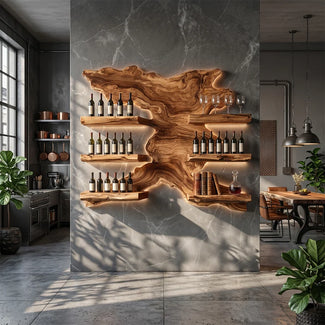
Buy Now: Natural Wood Tiered Bookcase With Sculptural Open Shelves
When placing a bookshelf near a sofa, make sure the furniture feels connected rather than crowded. A narrow shelf can sit beside the sofa and provide easy access to books, while a larger unit may work better on the opposite wall as a visual counterweight.
Two bookshelves placed on either side of a fireplace, media cabinet, or doorway can create symmetry. A single sculptural bookshelf may be more suitable for an organic-modern or eclectic interior where the furniture itself is intended to attract attention.
Build a Dedicated Reading Corner
An unused corner can become a comfortable reading area with a bookshelf, lounge chair, side table, and floor lamp. Position the shelf close enough that books remain easy to reach, but leave enough space for someone to sit down and stand comfortably.
Natural light can make the corner inviting during the day. However, books should not remain in intense direct sunlight for extended periods because covers and pages may fade. Place the bookshelf beside a window rather than directly in front of it, and use curtains or blinds to manage strong afternoon light.
A small rug can define the reading zone and visually connect the chair, table, lamp, and shelf. This approach works well in living rooms, bedrooms, home offices, and wide hallways.
Useful Locations Around the Home
- Beside a sofa in the main living area
- Along an empty wall in a home office
- Near a bedroom reading chair
- At the end of a wide hallway
- Under a staircase with unused floor space
- Beside a dining area for books and serving accessories
- Near an entryway for baskets, decor, and everyday storage
The ideal location should reflect how the shelf will be used. A home-office bookshelf may prioritize documents and reference materials, while a living-room design can combine books with art, plants, and personal objects.
2. Use Bookshelves to Improve Layout and Storage
Placement Options for Challenging Spaces
- Install a low bookshelf beneath a window.
- Use a narrow unit between a doorway and corner.
- Place a corner bookshelf in an awkward empty area.
- Add custom shelving beneath a staircase.
- Position a slim shelf beside a dresser or desk.
- Use floating shelves above a compact workspace.
- Fit a shallow bookshelf along a wide hallway wall.

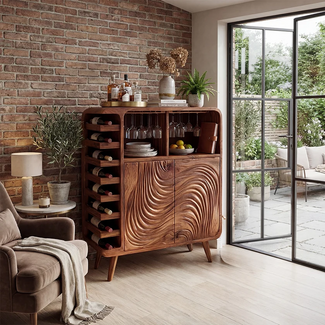
Buy Now: Natural Wood Arch Bookcase With Built In Reading Bench
These solutions can provide useful storage without requiring major renovations. The key is selecting a bookshelf with proportions that suit the architecture rather than forcing a standard unit into an unsuitable location.
Define Zones in an Open Floor Plan
Open-concept homes often need visual boundaries between living, dining, and working areas. A freestanding bookshelf can divide these zones without blocking light or creating a permanent wall.
An open-backed bookshelf is especially effective because it allows light and sightlines to pass through. It can separate a home office from a living area, create a subtle entrance zone, or distinguish a dining room from a family room.
When the shelf is visible from both sides, style each side intentionally. Books, baskets, ceramics, and plants should look balanced from multiple viewpoints. Avoid packing every opening because negative space helps the divider feel lighter and less imposing.
The bookshelf must also remain stable. Freestanding dividers should have a broad base or appropriate anchoring, especially in homes with children or pets.
Increase Storage Without Overcrowding the Room
Tall bookshelves make efficient use of vertical space, which is valuable in apartments and smaller homes. They provide significant storage while occupying less floor width than low, broad cabinets.
However, a tall unit can feel heavy if it is squeezed between oversized furniture. Leave visible wall space around it whenever possible. Open legs, irregular shelf openings, or a lighter wood tone can also help reduce visual weight.

Low bookshelves offer a different advantage. They preserve open sightlines and can double as surfaces for lamps, framed photographs, or decorative objects. They are useful beneath windows, behind sofas, or along walls where tall furniture would interrupt artwork or architectural details.
3. Balance the Bookshelf With Furniture and Decor
Match the Shelf’s Scale to the Room
A bookshelf should feel proportional to the wall and surrounding furniture. A small, narrow unit may look insignificant on a large wall, while a massive bookcase can overwhelm a compact bedroom or apartment living room.
Measure the proposed location before purchasing. Use painter’s tape to mark the width and height on the wall, then view the outline from the room’s main entrance and seating area. This makes it easier to assess whether the bookshelf has enough visual presence.
The shelf’s depth matters as well. Deep bookcases may extend too far into narrow rooms or hallways. A shallow design can store standard books and decorative objects while preserving more walking space.
Thoughtful Bookshelf Styling Ideas can further improve proportion. Larger objects and heavy books usually look best on lower shelves, while smaller pieces can be arranged closer to eye level.
Safety and Circulation Checklist
- Anchor tall bookshelves securely to the wall.
- Keep heavy books and objects on lower shelves.
- Leave 30 to 36 inches along major walkways when possible.
- Avoid blocking doors, windows, vents, and outlets.
- Confirm that nearby drawers and cabinets open fully.
- Keep unstable decor away from shelf edges.
- Check the weight capacity of each shelf before loading it.
Safety should guide every placement decision. A beautiful arrangement is not successful if the furniture is unstable or makes the room difficult to navigate.
Connect the Bookshelf to Nearby Furniture
A bookshelf should feel like part of the room rather than a separate object placed against a wall. Its position can relate to the sofa, desk, bed, dining table, or architectural focal point.
Beside a sofa, a bookshelf can balance a tall floor lamp or plant on the opposite side. In a home office, it should keep frequently used materials within reach without restricting the desk chair. In a bedroom, a compact shelf can sit beside a dresser or reading chair, provided it does not interfere with closet access.

Learning How to Style a Bookshelf also helps connect it visually to the surrounding interior. Repeat one or two colors or materials from the room through book covers, frames, ceramics, baskets, or decorative objects. These subtle connections make the furniture feel integrated without requiring everything to match.
4. Why Choose A&E Bowery Lighting for Bookshelves?
Coordinated Furniture and Lighting Create a Complete Space
Bookshelves are most effective when it works with the room’s lighting. General ceiling light may illuminate the space, but focused lamps and wall fixtures can reveal book titles, highlight decorative objects, and create a warmer atmosphere.
A&E Bowery Lighting offers design-focused furniture and lighting that can help homeowners create a more cohesive arrangement. A bookshelf placed near a floor lamp can support a reading corner, while wall sconces may frame a larger shelving unit and give it greater architectural presence.
Selecting compatible furniture and lighting also simplifies visual coordination. Materials do not need to match exactly, but their finishes, shapes, and proportions should feel intentional together.
Lighting Highlights Books and Decorative Objects
The direction of light affects how a bookshelf is perceived. Side lighting can reveal natural wood grain and textured ceramics, while overhead accent lighting makes artwork and sculptural objects more visible.
Warm light often works well with wooden bookshelves because it enhances brown, amber, and honey tones. Cooler light may suit crisp contemporary interiors but should not make the room feel harsh or clinical.
For practical reading, place a floor or table lamp near the chair rather than relying only on decorative shelf lighting. Dimmers can provide flexibility, allowing brighter light for reading and softer illumination for relaxing or entertaining.
Fixtures should be positioned so they do not create glare on framed artwork or expose books to unnecessary heat.
Benefits of Choosing A&E Bowery Lighting
- Coordinated furniture and lighting simplify room planning.
- Multiple designs support modern and traditional interiors.
- Floor lamps help define comfortable reading areas.
- Wall sconces give shelving a more architectural presence.
- Warm light emphasizes natural wood and decorative textures.
- Thoughtful proportions create visual balance.
- Statement pieces reduce the need for excessive accessories.
Choosing A&E Bowery Lighting allows homeowners to approach shelving, storage, and illumination as one complete design decision. Instead of combining unrelated pieces, they can create a bookshelf area that feels practical, welcoming, and visually connected.
