



The console table vs sideboard question shows up almost every time someone starts shopping for a long, low piece of furniture, and the answer matters more than the casual interchange of the two terms suggests. They look similar at first glance, but they serve genuinely different jobs in a home — and choosing the wrong one is a mistake you live with for years. This guide cuts through the marketing fog, explains what actually separates a console from a sideboard, walks through when each is the right call, and shows where well-built solid wood console tables sit on the spectrum. By the end, you'll know which form fits your room and your life.
The Real Difference Between A Console And A Sideboard

The terms get used interchangeably in everyday speech, and that's fine for conversation. But when you're spending real money on a piece of furniture, the distinction matters.
Open Form Versus Closed Storage
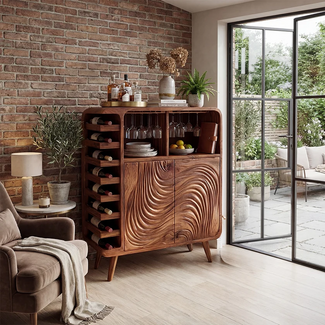
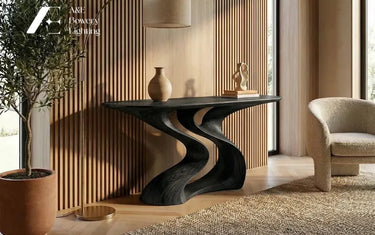
The clearest line between the two is structure. A console table is typically open — a flat top supported by a sculptural base, with no enclosed cabinet. A sideboard, traditionally, is a closed cabinet with doors, drawers, or both, designed for substantial storage. Open console design prioritizes form and display; sideboard design prioritizes capacity and concealment.
Display Versus Storage Priority
Behind the structural difference is a difference in priority. A console treats its surface as part of the room's design — the top is a display zone, the base is sculpture, and the piece exists as much for its presence as for its utility. A sideboard treats the surface as secondary; its real value is in what it hides, with the top often functioning as a serving or display space rather than the main event.
Depth And Footprint
Consoles are typically narrow — twelve to eighteen inches deep — which lets them sit against a wall or behind a sofa without intruding on the room. Sideboards are deeper, often eighteen to twenty-four inches, because the closed storage requires more interior volume. This depth comparison matters for placement: a console fits in tight passages where a sideboard would block traffic, while a sideboard anchors a wall the way a console can't.
When A Console Table Is The Right Call

An open console is the right answer more often than people assume. Here are the situations where it clearly wins.
When The Piece Has To Stay Narrow
Entryways, hallways, behind-sofa placements, and tight passages all favor a narrow profile. A console's twelve-to-eighteen-inch depth fits where a sideboard would block traffic, which makes it the only sensible choice in these locations. The slim form also keeps the room feeling open instead of crowded.
When You Want The Base To Show
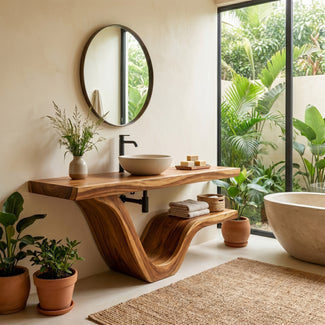
If you're buying a sculptural piece — twisted pedestal, branch-form supports, an organic carved base — the whole point of the design is that the base is visible. A closed cabinet hides exactly what makes a sculptural console worth buying. The open form lets the wood, the joinery, and the hand-shaped silhouette do their work from every angle.
When You Don't Need The Storage
Not every room needs a piece of furniture that hides things. If you already have storage elsewhere — built-ins, closets, dressers — the case for a sideboard weakens. A console gives you the horizontal anchor and the styling surface without the bulk of an enclosed cabinet you don't actually need.
When A Sideboard Is The Smarter Choice

That said, a sideboard still has clear use cases. If any of these apply, lean toward the closed form.
When You Need The Storage
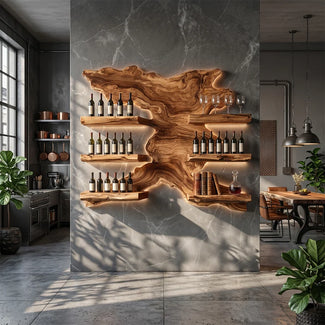
The most obvious case for a sideboard is also the most important: when you have things to store. Linens, serving pieces, files, hobby supplies, the kind of household objects that don't belong on display — these belong inside a cabinet. A sideboard gives you that capacity in the same horizontal footprint a console would otherwise occupy.
When You Want A Visual Anchor
A sideboard's deeper, taller form gives it more visual weight than a console, which makes it a stronger anchor for a long wall in a dining room or living room. If the wall feels empty and a console looks lost against it, the sideboard's mass solves the problem. Storage cabinet furniture earns its size when the room can absorb it.
When The Top Is The Working Surface
For dining rooms especially, the sideboard top often functions as a serving surface during meals — a place for platters, drinks, candles, and the temporary overflow of hosting. The deeper top handles that work better than a narrow console would, and the closed storage below puts dinnerware within reach when you need it.
Why A & E Bowery Lighting Sits On The Console Side

A & E Bowery Lighting builds substantial collections on both sides of the line, but the console catalog is where the brand's design philosophy comes through most clearly. Here's why.
Open Forms Show The Wood
The brand's whole proposition is that the wood itself is worth seeing. Hand-shaped grain, carved organic forms, hand-finished surfaces — these are the reasons people pay for solid wood furniture. The open console form lets every surface of the piece contribute to the room, while a closed cabinet would hide the most expressive elements behind doors.
Sculptural Bases Don't Belong Hidden
The twisted pedestals, branch-form supports, and organic silhouettes that define many of the consoles in the catalog are designed to be visible from every angle. A door across them would be like putting a curtain over a sculpture. The form is part of the function, and the open structure is the only way to honor it.
Built For Long Ownership
Beyond aesthetics, a solid wood console with proper joinery holds its shape under daily use the way engineered cabinet furniture sometimes doesn't. Real hardwood doesn't sag, the joints don't loosen, and the surface ages into a richer version of itself rather than wearing toward replacement. That long-ownership math is the same whether you're choosing a console or a sideboard, but the brand's catalog leans toward consoles because the form lets the material speak.
Conclusion
The console-versus-sideboard question isn't a trick. They're different pieces with different purposes, and the right choice depends on what you own, how you live, and what kind of statement you want the piece to make in your room. For most people who care about the form and presence of their furniture — the wood, the joinery, the sculptural base — the open console is the natural answer. The A & E Bowery Lighting Console Tables Collection is built around that conviction, with hand-shaped solid wood pieces designed to put their form on display. Browse the full Console Tables Collection when you're ready to choose, or visit our homepage to explore the rest of the catalog.
