



Coffee Table Styling Ideas can help turn an everyday surface into a polished focal point that brings the entire living room together. A coffee table is often positioned at the center of the seating area, making it one of the most visible and frequently used pieces in the room. When styled thoughtfully, it can introduce color, texture, personality, and balance without sacrificing practical function.
The best coffee table displays feel effortless rather than overly arranged. They leave enough open space for drinks, books, remote controls, and daily activities while still contributing to the room’s overall design. The right combination of objects can also connect the coffee table to nearby furniture, lighting, wall art, and decorative accents.
Whether your home leans modern, traditional, rustic, industrial, or organic, styling should begin with proportion and purpose. By choosing a few well-balanced pieces and arranging them with intention, homeowners can create a living room centerpiece that feels warm, useful, and visually complete.
1. Start With Scale, Shape, and Everyday Function
Match the Display to the Table’s Proportions
Before selecting decorative objects, consider the size and shape of the coffee table. A large rectangular table can support several grouped items, while a compact round table may look better with one simple arrangement.
The decor should occupy enough surface area to feel intentional without covering the entire tabletop. As a general rule, leave at least half of the table open for practical use. This keeps the arrangement from becoming inconvenient during everyday activities or when guests arrive.

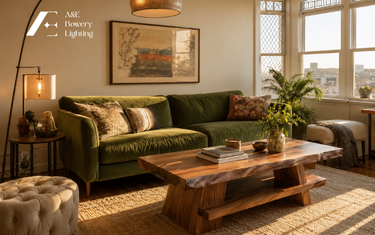
Buy Now: Natural Live Edge Wood Coffee Table Solid Slab Rustic Center Table
The height of each object also matters. Tall items can add drama, but they should not block conversation or interrupt sightlines across the seating area. Low bowls, stacked books, trays, and compact vases usually work well because they add interest while preserving an open feeling.
Create a Clear Relationship With the Seating Area
The coffee table should feel visually connected to the sofa and chairs around it. Its scale should suit the seating arrangement, and the decorative objects should echo colors or materials already present in the room.
For example, a wooden coffee table can be styled with ceramic pieces, soft textiles, or metal accents to create contrast. A glass table may benefit from warm books, sculptural wood objects, or woven accessories that keep the room from feeling too cold.
Thoughtful Coffee Table Placement Ideas also affect styling. A table positioned too far from the sofa can feel disconnected, while one placed too close may make the room difficult to navigate. In most living rooms, leaving approximately 14 to 18 inches between the coffee table and surrounding seating provides comfortable access.
Practical Rules for a Balanced Surface
- Leave open space for drinks and everyday objects.
- Keep tall decor away from important sightlines.
- Choose items that suit the table’s scale.
- Repeat colors or materials found elsewhere in the room.
- Group smaller objects so they do not appear scattered.
- Use a tray to keep frequently moved items organized.
- Avoid filling every inch of the tabletop.
A successful coffee table should look attractive while remaining easy to use. Styling becomes more effective when decoration supports daily life rather than competing with it.
2. Build a Layered Arrangement With Decorative Object
Use Books as a Visual Foundation
Coffee table books are one of the most versatile styling tools because they add height, color, and personality. They can create a base for smaller objects while introducing subjects that reflect the homeowner’s interests.
Choose books with attractive covers or spines that coordinate with the room’s palette. Two or three books stacked together usually create enough height without overwhelming the surface. A candle, small sculpture, or decorative box can then be placed on top.
Books can also help divide a large table into visual zones. On a rectangular table, one stack might sit near a tray while another balances a vase or bowl on the opposite side. The arrangement should feel connected but not perfectly mirrored.

Add Organic Materials and Natural Texture
Natural elements make a coffee table display feel warmer and more relaxed. Fresh flowers, branches, potted greenery, stones, shells, and wooden objects can soften a room filled with straight lines or polished surfaces.
A simple vase of seasonal branches can create height without feeling formal. In smaller rooms, a compact plant or low floral arrangement may be more practical. Even one natural object, such as a carved wooden bowl, can bring texture and visual depth.
Homeowners learning How to Style a Coffee Table should also consider the relationship between materials. Pairing smooth ceramics with rough wood, woven fibers, glass, or metal creates contrast and prevents the display from feeling flat.
Decorative Pieces to Mix and Match
- A stack of two or three design books
- A low ceramic or wooden bowl
- A scented candle in a simple vessel
- A small plant or seasonal floral arrangement
- A sculptural decorative object
- A lidded box for remotes or small items
- A tray made from wood, metal, or woven material
Choose only a few items that support the room’s style. A smaller collection of meaningful objects usually feels more sophisticated than a crowded surface filled with unrelated accessories.
3. Adapt Coffee Table Styling to Your Interior Style
Create a Clean Modern Arrangement
Modern interiors benefit from simple displays with strong shapes and limited color palettes. One sculptural vase, a low stack of books, and a geometric object may be enough to complete the table.
Negative space is especially important in contemporary rooms. Leaving the tabletop partially empty allows the table’s design and material to remain visible. This is particularly effective when the coffee table has a distinctive wood grain, stone surface, or architectural base.
Choose objects with clean lines and subtle texture rather than excessive ornament. Matte ceramics, clear glass, dark metal, and natural wood can create a refined arrangement without making the space feel sterile.
Bring Warmth to Rustic and Organic Rooms
Rustic and organic interiors often feature natural materials, earthy colors, and handmade details. Coffee table styling should reinforce that sense of warmth and authenticity.
A carved wooden bowl, neutral pottery, linen-covered books, and a small arrangement of branches can create a relaxed centerpiece. Objects do not need to match perfectly. Slight variation in texture and tone makes the room feel collected over time.
Avoid making the arrangement too symmetrical. A slightly asymmetrical display often feels more natural and works well with handcrafted furniture. Warm lighting nearby can further highlight wood grain and textured surfaces.

Buy Now: Square Natural Wood Coffee Table with Interwoven Sculptural Base
Style Suggestions for Different Interiors
- For minimalist rooms, use one vase and one book stack.
- For farmhouse spaces, combine pottery, greenery, and woven accents.
- For industrial interiors, pair wood with black metal and glass.
- For coastal rooms, use pale ceramics and subtle natural textures.
- For eclectic spaces, mix collected objects with varied shapes.
- For traditional rooms, arrange decorative boxes, books, and flowers.
- For organic-modern interiors, emphasize stone, wood, and sculptural forms.
The display should reinforce the identity of the room rather than introduce an unrelated decorating theme. Repeating existing materials and tones helps the coffee table feel integrated into the larger design.
4. Why Choose A&E Bowery Lighting for a Complete Living Room?
Lighting Shapes the Coffee Table Display
A well-styled coffee table looks its best when supported by thoughtful lighting. Lamps and overhead fixtures determine how textures, colors, and objects are perceived throughout the day.
A&E Bowery Lighting offers lighting options that can help define the seating area and create a more inviting atmosphere around the coffee table. A floor lamp beside the sofa or a statement fixture above the room can add warmth while highlighting the tabletop arrangement.
Soft, layered lighting is especially effective in the evening. It creates gentle shadows across books, ceramics, wood grain, and decorative objects, giving the display more dimension than harsh overhead lighting alone.

Design Versatility for Different Interiors
Lighting should complement the style of the furniture without competing for attention. A&E Bowery Lighting provides designs that can work with contemporary, industrial, traditional, and transitional living spaces.
A streamlined metal lamp can support modern coffee tables, while a warmer fixture with classic proportions may suit a more traditional room. The goal is to select lighting that strengthens the visual relationship between the table, sofa, wall decor, and surrounding architecture.
Carefully chosen lighting can also help balance a large seating arrangement. A floor lamp on one side of the sofa may visually offset a tall plant, shelf, or accent chair on the opposite side.
Benefits of Choosing A&E Bowery Lighting
- Lighting can highlight decorative details and surface textures.
- A wide range of styles supports different interiors.
- Layered illumination creates a warmer living room atmosphere.
- Floor and table lamps help define the seating area.
- Statement fixtures add visual interest above the room.
- Warm light enhances natural wood and neutral decor.
- Well-placed lamps improve both function and comfort.
Choosing A&E Bowery Lighting allows homeowners to support their coffee table styling with illumination that feels intentional. The right fixture does more than brighten the room; it helps the entire seating area feel more cohesive, comfortable, and complete.
